
news
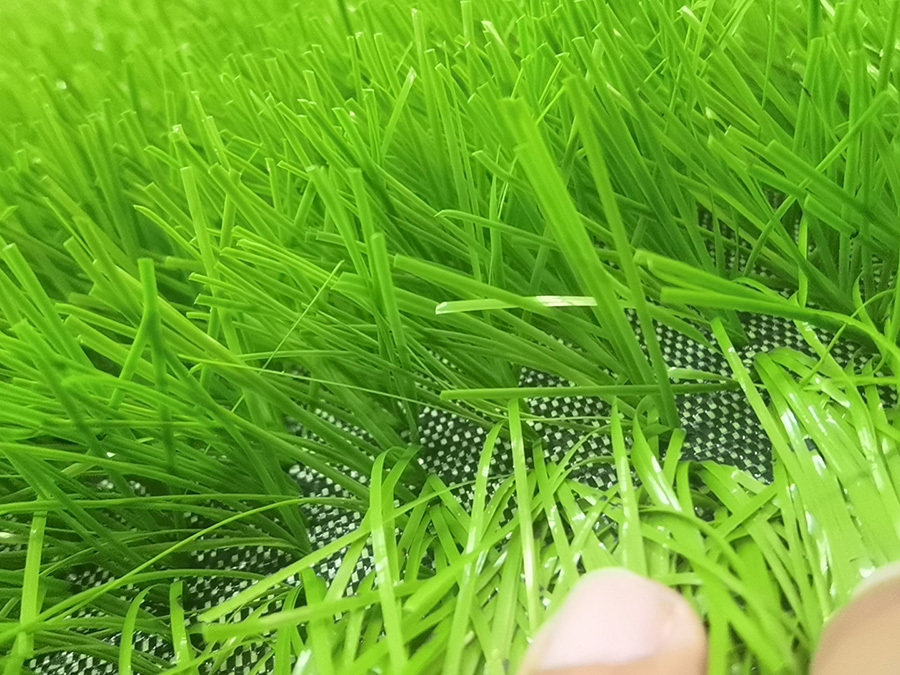
Why does football artificial grass perform better than real grass in use
Why does football artificial grass perform better than real grass in use
In the contemporary landscape of football, artificial grass has firmly established itself as a remarkable alternative to real grass. This shift has been driven by a wide array of benefits that significantly enhance the overall football experience, both for players and facility managers. This article will comprehensively explore the numerous reasons why football artificial grass often surpasses its natural counterpart in practical applications.
Durability: Withstanding the Rigors of Time and Intense Play
The grass filament material of football artificial grass gives it better durability. Real grass, despite its undeniable natural allure, is highly susceptible to the wear and tear inflicted by the continuous foot traffic, forceful sliding, and robust tackles that are an integral part of the game. Even with the most painstaking maintenance efforts, natural grass fields are prone to developing unsightly bald patches, particularly in high - traffic zones such as the center circle and around the goal areas.
A prime example of this is the experience of many community football clubs. They often find that after a few weeks of intensive weekend matches and weekday training sessions, the once - lush natural grass fields start to show signs of heavy damage. Under the same circumstances, the durability of artificial grass will be better. Constructed from top - grade synthetic materials, typically polyethylene or polypropylene, it can endure thousands of hours of play without substantial degradation. The fibers are engineered with advanced manufacturing techniques to resist fraying, breaking, or flattening. For instance, modern football artificial grass installations use fibers with a special texture and composition that can maintain their shape even after repeated impacts. This durability not only curtails the need for frequent and costly replacements but also furnishes a more stable and trustworthy surface for players to showcase their skills.
Maintenance: Economical and Low - Effort
Maintaining a natural grass football field is an extremely labor - intensive and costly affair. It necessitates regular watering, mowing, fertilizing, aerating, and pest control to keep the grass in a healthy and aesthetically pleasing state. These tasks demand a significant investment of both time and financial resources. Moreover, they require a certain degree of specialized knowledge to be carried out effectively. For example, over - fertilizing can lead to grass burn, while under - watering can cause the grass to wither. Additionally, natural grass is highly sensitive to weather conditions. Droughts can parch the grass, heavy rains can waterlog the field, and extreme temperatures can stunt growth or even kill the grass, further complicating maintenance efforts.
Since the synthetic fibers do not rely on natural resources for growth, there is no need for watering, mowing, or fertilizing. Occasional cleaning, such as brushing to remove debris and replenishing the infill material (if required), is usually adequate to keep the surface in optimal condition. A study by a leading sports facility management firm found that the annual maintenance cost of an artificial football grass field is, on average, 70% less than that of a natural grass field. This makes artificial grass a far more cost - effective option, especially for facilities with restricted budgets or those experiencing high usage demands.
Performance Consistency: A Reliable Playing Surface in All Conditions
Another crucial advantage of artificial soccer turf is its capacity to offer consistent performance regardless of the weather or time of day. Real grass fields can be severely affected by environmental factors. Rain can make the grass slippery, impeding players' ability to maintain their footing and control the ball. Snow can cover the field, making it unplayable until cleared.The temperature can make real grass dry and hard, which can easily hurt the ankles of athletes .
Artificial soccer turf can significantly reduce the impact of the environment on football fields and greatly enhance the usability of football fields. For example, the surface friction of artificial soccer turf can be precisely adjusted during the manufacturing process to mimic the optimal conditions for football play. Moreover, artificial grass fields can be equipped with under - field heating or cooling systems. These systems can regulate the temperature of the surface, ensuring that it remains in optimal condition throughout the year. This allows players to rely on the surface to perform at their peak, regardless of external circumstances.
Safety: Mitigating the Risk of Injuries
Player safety is of utmost importance in football, and artificial soccer turf has been demonstrated to offer certain safety benefits over real grass. The synthetic fibers of artificial grass are designed to create a consistent and uniform surface, reducing the risk of tripping or falling due to uneven terrain. In addition, artificial soccer turf can be engineered to have a specific level of cushioning. This cushioning can effectively absorb the impact of tackles and falls, thereby reducing the risk of injuries to players' joints and muscles.
Furthermore, football artificial grass does not harbor the same types of pests or diseases as real grass. This situation avoids the use of pesticides and herbicides and prevents pollution to the environment. A study by a sports medicine research institute found that the rate of ankle sprains and knee injuries is 20% lower on artificial grass fields compared to natural grass fields. This not only minimizes the risk of exposure to toxic chemicals for players and maintenance staff but also makes the playing surface more environmentally friendly.
Installation Flexibility: Adaptable to Any Location
Football artificial grass provides greater installation flexibility compared to real grass. It can be installed on a diverse range of surfaces, including concrete, asphalt, or compacted soil. This makes it suitable for both new construction projects and retrofitting existing fields. This flexibility enables the creation of football fields in areas where natural grass may struggle to grow, such as urban environments with limited space or poor soil conditions. For example, in many inner - city areas, where space is at a premium and soil quality is often compromised, artificial football grass has been successfully installed on rooftops or converted parking lots.
In conclusion, artificial soccer turf has proven to be a superior choice for football fields in multiple aspects. Its durability, low maintenance requirements, performance consistency, safety features, and installation flexibility make it an appealing option for sports facilities, schools, and clubs globally. As technology continues to progress, artificial football grass is likely to become an even more widespread and preferred surface for the beautiful game, providing players with a high - quality playing surface that can endure the demands of modern football.
| Football Artificial Grass Advantage | saves water | low maintenance costs | less affected by weather | high performance |
0users like this.

