
news
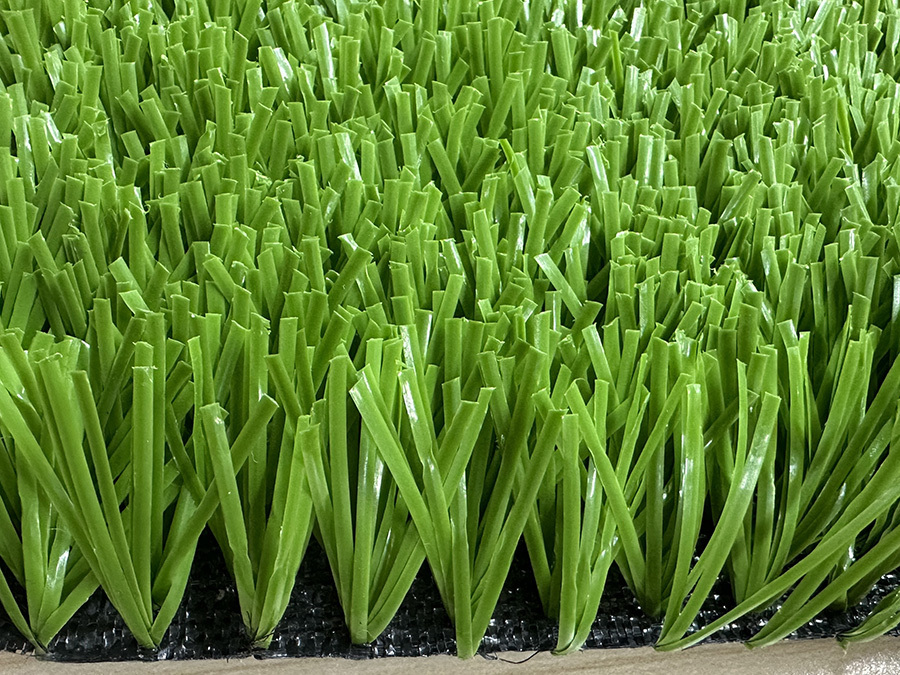
The Hidden Downsides of Artificial Grass: What You Need to Know Before Installing
The Hidden Downsides of Artificial Grass: What You Need to Know Before Installing
Artificial grass has gained popularity in recent years as a low-maintenance alternative to natural lawns. It promises a perpetually green yard without the need for mowing, watering, or fertilizing. While it may seem like an ideal solution for busy homeowners, drought-prone areas, or commercial spaces, artificial turf comes with several significant drawbacks that are often overlooked.
In this comprehensive blog post, we’ll explore the key downsides of artificial grass, including environmental concerns, health risks, cost implications, and long-term maintenance challenges. By the end, you’ll have a clearer understanding of whether synthetic turf is the right choice for your property.
1. Environmental Impact
A. Non-Biodegradable Materials
Most artificial grass is made from polyethylene, polypropylene, or nylon—all petroleum-based plastics. These materials do not decompose and can persist in landfills for hundreds of years. Unlike natural grass, which contributes to soil health and biodiversity, synthetic turf adds to plastic waste pollution.
B. Heat Retention and Urban Heat Island Effect
Artificial grass absorbs and retains heat, making it significantly hotter than natural grass. On sunny days, synthetic turf can reach temperatures of 140°F (60°C) or more, creating an uncomfortable surface for children and pets. This heat absorption also contributes to the urban heat island effect, where cities become warmer due to artificial surfaces replacing natural vegetation.
C. Disruption of Local Ecosystems
Natural lawns support insects, worms, and microorganisms that are essential for soil health. Birds and small animals also rely on grassy areas for foraging. Artificial grass, however, creates a sterile environment that disrupts local biodiversity.
D. Water Runoff and Drainage Issues
While artificial grass doesn’t require watering, it can contribute to water runoff problems. High-quality turf has drainage holes, but heavy rain can still lead to flooding if the sub-base isn’t properly installed. Natural grass, on the other hand, absorbs rainwater and helps recharge groundwater supplies.
2. Health and Safety Concerns
A. Chemical Exposure
Many artificial turf products contain PFAS (per- and polyfluoroalkyl substances), also known as "forever chemicals," which have been linked to cancer, hormone disruption, and immune system issues. Additionally, some older artificial grass was made with crumb rubber infill (recycled tires), which contains heavy metals and volatile organic compounds (VOCs).
B. Increased Risk of Injuries
While artificial grass is often marketed as safer for sports, studies have shown that it can lead to:
- More abrasions and burns due to high surface temperatures and friction.
- Higher risk of joint injuries because synthetic turf is less forgiving than natural grass.
- Bacterial growth if not properly cleaned, especially in pet-friendly installations.
C. Toxic Fumes in High Heat
When artificial grass overheats, it can release harmful fumes from the plastic materials. This is particularly concerning for playgrounds and sports fields where children spend extended periods.
3. High Upfront and Long-Term Costs
A. Expensive Installation
While artificial grass eliminates lawn care costs, the initial installation is expensive:
- Professional installation can cost $5–$20 per square foot, depending on quality.
- Proper ground preparation (removing existing grass, leveling, and adding a base layer) adds to the expense.
B. Replacement and Maintenance Costs
Artificial grass doesn’t last forever. Most products have a lifespan of 8–15 years, after which they must be replaced. Additionally, maintenance isn’t entirely eliminated:
- Regular cleaning is needed to remove debris, pet waste, and bacteria.
- Brushing and occasional rinsing are required to keep blades upright and prevent odors.
- Infill replenishment (if used) adds to long-term costs.
C. Potential Home Value Impact
Some homebuyers prefer natural lawns, and artificial grass could reduce property appeal in certain markets. Real estate experts note that eco-conscious buyers may view synthetic turf as a negative feature.
4. Aesthetic and Comfort Drawbacks
A. Unnatural Look and Feel
Even high-quality artificial grass can look too perfect or plastic-like compared to real grass. Over time, UV exposure can cause fading, making the turf look worn and uneven.
B. Poor Temperature Regulation
As mentioned earlier, artificial grass gets extremely hot in direct sunlight, making it unpleasant for barefoot walking, picnics, or children’s play areas.
C. Limited Customization
Unlike natural grass, which can be reseeded or adjusted for shade tolerance, artificial turf comes in fixed styles. If you want a different look, you’ll need a full replacement.
5. Maintenance Challenges
A. Weed and Moss Growth
While artificial grass reduces weeds, it doesn’t eliminate them entirely. Seeds can blow into the turf and take root in the infill or edges. Moss and algae may also grow in shaded, damp areas.
B. Odor Issues (Especially with Pets)
Pet urine doesn’t drain the same way it does in natural grass. Without proper cleaning, artificial turf can develop lingering odors. Special enzymatic cleaners or frequent rinsing are often needed.
C. Stains and Damage
- Oil, grease, or chemicals can stain synthetic fibers.
- Heavy furniture or sharp objects may cause permanent indentations or tears.
6. Ethical and Social Considerations
A. Water Conservation vs. Plastic Waste
While artificial grass saves water, it replaces a natural resource with plastic. In drought-prone areas, xeriscaping (using drought-resistant plants) may be a more sustainable alternative.
B. Community and HOA Restrictions
Some homeowners' associations (HOAs) ban artificial grass or have strict guidelines on its appearance. Always check local regulations before installing.
Conclusion: Is Artificial Grass Worth It?
Artificial grass offers convenience but comes with significant environmental, health, and financial trade-offs. Before making a decision, consider:
- Your climate (hot regions may face extreme heat issues).
- Usage (is it for pets, kids, or purely aesthetics?).
- Budget (both upfront and long-term costs).
- Eco-friendly alternatives (such as clover lawns or native ground covers).
If you do choose artificial grass, opt for high-quality, non-toxic products and ensure proper installation to minimize some of these downsides.
Would you install artificial grass, or do the drawbacks outweigh the benefits? Share your thoughts in the comments!
0users like this.

