news
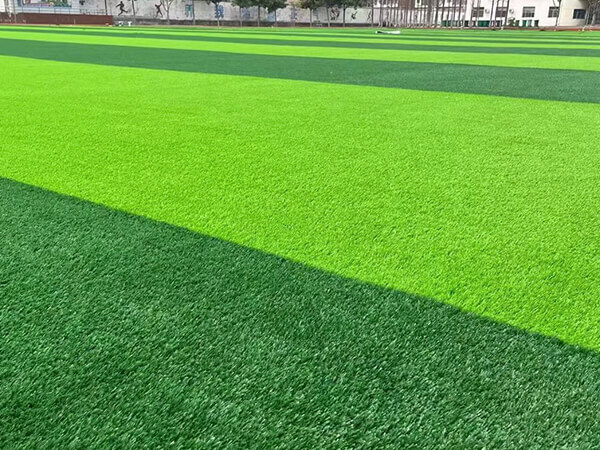
The Critical Importance of Drainage Systems in Artificial Turf Football Field Installation
The Critical Importance of Drainage Systems in Artificial Turf Football Field Installation
The installation of an artificial turf football field involves much more than simply laying football field turf. While the visible surface receives the most attention, the underlying drainage system serves as the fundamental lifeline of the entire facility. A professionally designed and constructed drainage solution is crucial for maintaining playability, ensuring safety, and protecting the significant investment in the facility. Without effective water management, even the highest-quality football field turf will inevitably deteriorate prematurely, resulting in unsafe playing conditions and substantial financial losses.
This article explores the multi-faceted importance of drainage systems, detailing how they function, why they are indispensable, and what components constitute an optimal drainage solution for modern sports facilities.
1. Ensuring Uninterrupted Usability and Operational Continuity
The primary practical function of any sports surface is to provide consistent playing opportunities. Natural grass fields often become unplayable for days after heavy rainfall, causing cancelled matches, disrupted training schedules, and lost revenue. An artificial turf football field with superior drainage capability eliminates these problems by allowing water to dissipate rapidly through the system.
A well-engineered drainage system enables play to resume within 20-30 minutes after precipitation ceases. This remarkable drainage capacity ensures that sports programs, clubs, and facilities can maintain their schedules regardless of weather conditions. The economic implications are substantial—maximized usage directly translates to improved return on investment through increased booking availability, tournament hosting capabilities, and consistent operational income.
2. Structural Protection and Longevity Enhancement
Water represents the most significant threat to the structural integrity of an artificial turf football field system. Without proper drainage, accumulated moisture inflicts damage at every level of the installation:
- Turf Fiber Degradation: Prolonged water exposure accelerates photo-oxidative degradation and hydrolysis of synthetic fibers, causing fading, brittleness, and fiber loss. The backing material, when constantly saturated, may experience glue failure leading to seam separation and tuft detachment.
- Infill Compaction and Migration: Silica sand and rubber infill materials undergo compaction and displacement when subjected to standing water. This compromises their critical functions of providing stability, shock absorption, and proper footing. Contaminated infill may require premature replacement, adding significant maintenance costs.
- Base Layer Destruction: The foundation layers are particularly vulnerable to water damage. In asphalt foundations, water infiltration through cracks causes erosion and base softening. During freezing conditions, trapped water expands, creating cracks and uneven surfaces. Even in stone aggregate bases, proper drainage is essential to prevent settlement and maintain structural stability.
A comprehensive drainage system protects the entire investment by preventing water retention, thereby extending the field's functional lifespan to its full potential of 8-15 years.
3. Athletic Performance and Safety Assurance
The playing characteristics and safety provisions of an artificial turf football field depend fundamentally on effective drainage:
- Consistent Playing Surface: Proper drainage maintains the ideal firmness and consistency of the playing surface, ensuring predictable ball bounce and roll characteristics. Water accumulation alters these properties dramatically, making professional play impossible.
- Traction and Footing Stability: Well-drained surfaces provide reliable traction for cutting, pivoting, and accelerating movements. Wet surfaces dramatically increase slip-and-fall incidents, potentially causing muscle strains, ligament tears, and impact injuries.
- Impact Absorption: Water saturation compromises the shock-absorbing qualities of the infill system, resulting in increased ground hardness. This heightens the risk of impact injuries, particularly concussions and joint trauma during falls.
- Hygienic Maintenance: Stagnant water promotes bacterial growth, mold formation, and mosquito breeding, creating potential health hazards for athletes. Rapid water evacuation eliminates these biological risks.
4. Compliance with International Standards
For fields intended for competitive use, drainage performance must meet rigorous international standards. FIFA Quality Programme for Football Turf requires that certified fields demonstrate drainage capacity of 60 millimeters per hour for both Professional and Community quality levels. Similar standards exist for rugby, field hockey, and other sports.
These requirements are not arbitrary—they represent the minimum necessary conditions for high-level competition. Without compliant drainage systems, fields cannot obtain certification for official matches, severely limiting their utility and prestige.
Drainage System Components and Design Principles
An effective drainage system incorporates multiple engineered components working in concert:
- Surface Gradient: The foundation is graded with a 0.5%-0.8% slope to facilitate natural water runoff toward collection points. This geometric planning represents the first principle of surface water management.
- Permeable Base Construction: Modern installations typically utilize layered aggregate bases consisting of variously sized stones that create void spaces for water storage and transmission. These permeable layers allow vertical water passage to subsurface drainage networks.
- Subsurface Drainage Pipes: A network of perforated PVC or HDPE pipes installed throughout the base collects and channels water toward outlet points. These pipes are strategically placed in patterns that optimize water collection efficiency.
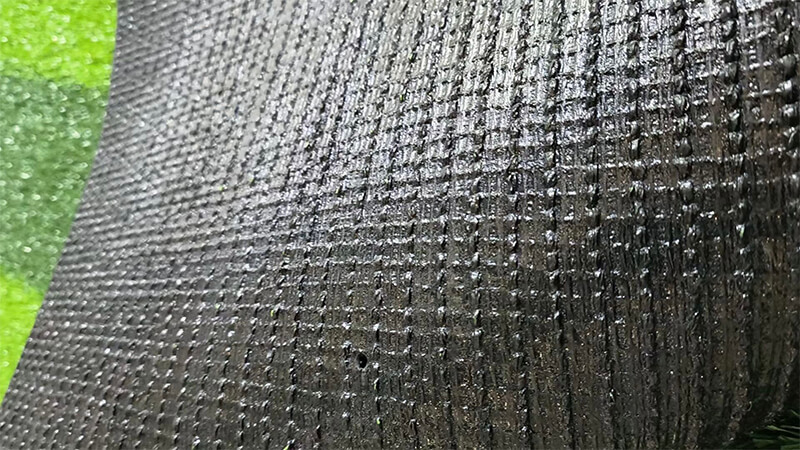
- Permeable Turf Backing: High-quality artificial turf football field features permeable backing material with precisely spaced drainage holes that allow vertical water passage while preventing infill material from washing through.
- Edge Drainage Systems: Collector drains along the perimeter receive water from both the surface and subsurface systems, directing it to stormwater management infrastructure.
The drainage system in an artificial turf football field represents a critical infrastructure component that demands professional design and precision installation. While constituting a significant portion of the initial investment, a properly engineered drainage solution provides returns through extended service life, reduced maintenance costs, enhanced safety, and uninterrupted usability.
Field owners, designers, and contractors should prioritize drainage design appropriate for local climate conditions, soil characteristics, and usage requirements. Consultation with experienced sports field engineers ensures that drainage systems meet both practical needs and international standards, protecting the substantial investment in artificial turf football field facilities while ensuring optimal playing conditions for athletes at all levels.
0users like this.