
news
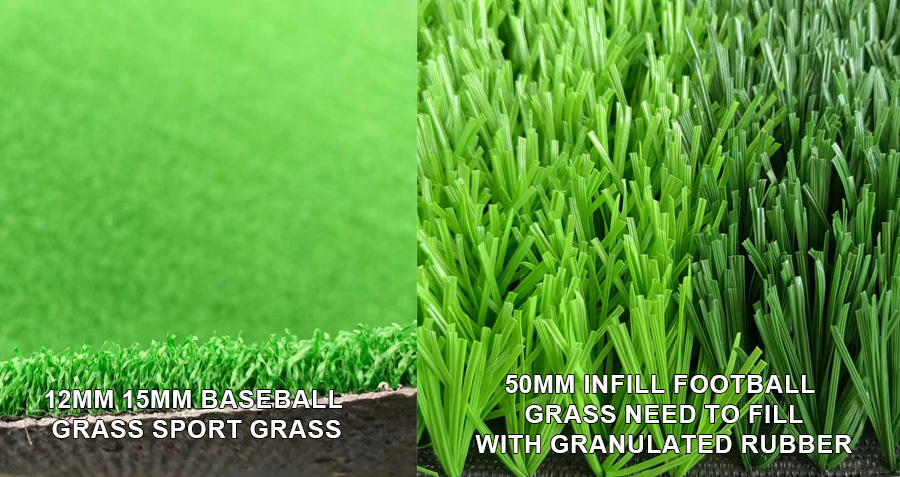
The Best Synthetic Lawn Turf for Sports Fields
The Best Synthetic Lawn Turf for Sports Fields
In the modern world of sports, the quality of the playing surface is a critical factor that can significantly impact athlete performance, safety, and the overall experience of the game. While natural grass has long been the traditional choice, synthetic lawn turf has emerged as a highly viable and, in many cases, superior alternative for sports fields. This article delves into the various aspects of synthetic grass, helping to determine the best options for different sports applications.
Advantages of Synthetic Lawn turf in Sports Fields
Durability and Longevity
Synthetic grass is engineered to withstand heavy use. Unlike natural grass, which can be easily damaged by continuous foot traffic, intense sports activities, and weather conditions, synthetic lawn turf remains resilient. For example, on a football field where players constantly run, tackle, and slide, natural grass would quickly become patchy and worn out. Synthetic grass, on the other hand, can maintain its integrity for years, with some high - quality products having a lifespan of up to 10-15 years. This durability reduces the need for frequent replacements, resulting in long-term cost savings.
Consistent Playing Surface
The most obvious advantage of synthetic grass is that the surface is not jagged and looks uniform. Natural grass can vary in height, firmness, and texture depending on factors such as watering, mowing, and soil conditions. Synthetic lawn turf, however, is manufactured to have a uniform pile height and surface density. This consistency ensures that the ball moves predictably in sports like soccer and tennis. In baseball, the infield can be designed with synthetic grass to provide a more even bounce for ground balls, reducing the element of chance caused by uneven natural surfaces.
Weather Independence
Weather can play havoc with natural grass sports fields. Heavy rain can turn the field into a muddy mess, making it unplayable and increasing the risk of injuries. Drought can cause natural grass to wither and die. Synthetic lawn turf is not affected by such weather conditions. It drains quickly, preventing waterlogging even during heavy downpours. In regions with water scarcity, synthetic grass eliminates the need for large amounts of water for irrigation, making it an environmentally friendly and practical choice.
Types of synthetic turf football field
Monofilament Turf
Individual, extruded fibers make up monofilament synthetic grass, and these fibers imitate the appearance and texture of natural grass blades.These fibers are more durable and resistant to matting compared to older-style turf. In sports like football and rugby, where players are constantly in contact with the ground, monofilament turf provides a more comfortable and natural-feeling surface.It also offers good ball roll characteristics, making it suitable for ball-playing sports.
Multifilament Turf
The grass filaments on the surface are composed of twisted and straight filaments, and the number of roots is different. This type of turf often has a softer feel, which can be beneficial for sports where players are more likely to fall, such as in gymnastics or field hockey. The multifilament structure also provides good shock absorption, reducing the impact on athletes' joints. However, it may not be as wear-resistant as monofilament turf in high-traffic areas, so it is more commonly used in sports with lower levels of foot traffic.
Hybrid Turf
Hybrid turf combines natural grass with synthetic fibers. The synthetic fibers play a role in reinforcing the natural grass, thereby leading to an increase in its durability and wear-resistance. Hybrid turf can be found in high - profile sports stadiums, such as some Premier League football grounds in the UK. It allows for a more natural-looking and - feeling playing surface while still providing the enhanced performance and durability benefits of synthetic materials. This type of turf is often used in sports where a natural-grass-like appearance is desired, but the demands of professional-level play require additional support.
Considerations for Choosing the Best Synthetic Grass
Sports - Specific Requirements
Different sports have different requirements for the playing surface. The surface of the tennis court needs to be elastic, and the players can run and jump on it without resistance. Synthetic grass for tennis should have a firm yet forgiving texture to support lateral movement and reduce the risk of ankle injuries. In contrast, a baseball diamond requires a surface that can handle the impact of sliding players and provide a stable base for the pitcher's mound. Understanding these sport - specific needs is crucial in selecting the right synthetic grass.
Infill Materials
Infill materials are added to synthetic grass to provide stability, cushioning, and to keep the grass blades upright. Common infill materials include sand, rubber granules, and organic materials. Sand-filled synthetic grass is often used in sports where a firmer surface is needed, such as in volleyball. Rubber - infilled turf provides better shock absorption and is suitable for sports with more impact, like football. The choice of infill material can significantly affect the performance and feel of the synthetic grass, so it must be carefully considered.
Cost-Benefit Analysis
While synthetic grass offers long-term cost savings in terms of reduced maintenance and longer lifespan, the initial installation cost can be high. The cost of synthetic grass varies depending on the type, quality, and size of the field. However, when factoring in the savings on water, fertilizers, mowing equipment, and labor for natural grass maintenance, synthetic grass can be a cost-effective option in the long run. Additionally, the reduced downtime for field repairs and maintenance means that sports facilities can host more events, generating additional revenue.
In conclusion, the best synthetic grass for sports fields depends on a variety of factors, including the specific sport, usage patterns, and budget constraints. By carefully evaluating these aspects and considering the different types of synthetic grass available, sports field managers can make an informed decision that will provide a high-quality, safe, and durable playing surface for athletes.
Synthetic grass, which serves as a dependable alternative to natural grass, has brought about a revolution in the sports realm, enhancing the performance and enjoyment of sports at every level.
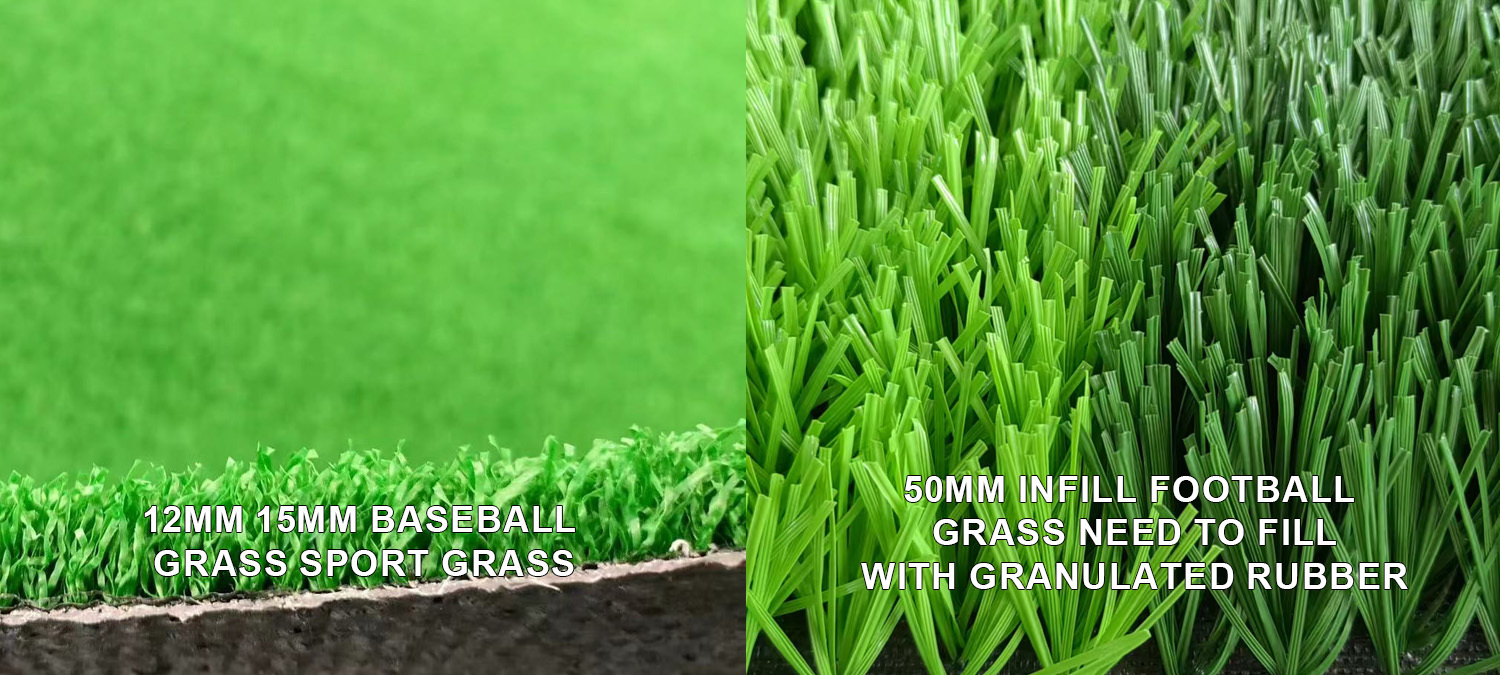
| Grass height | Density | Dtex | |
| Infill Football Grass | 40mm-55mm | 10080-10500 | 6000D-15000D |
| Baseball Grass | 10mm-22mm | 52500-67200 | 4500D-7000D |
0users like this.

