news
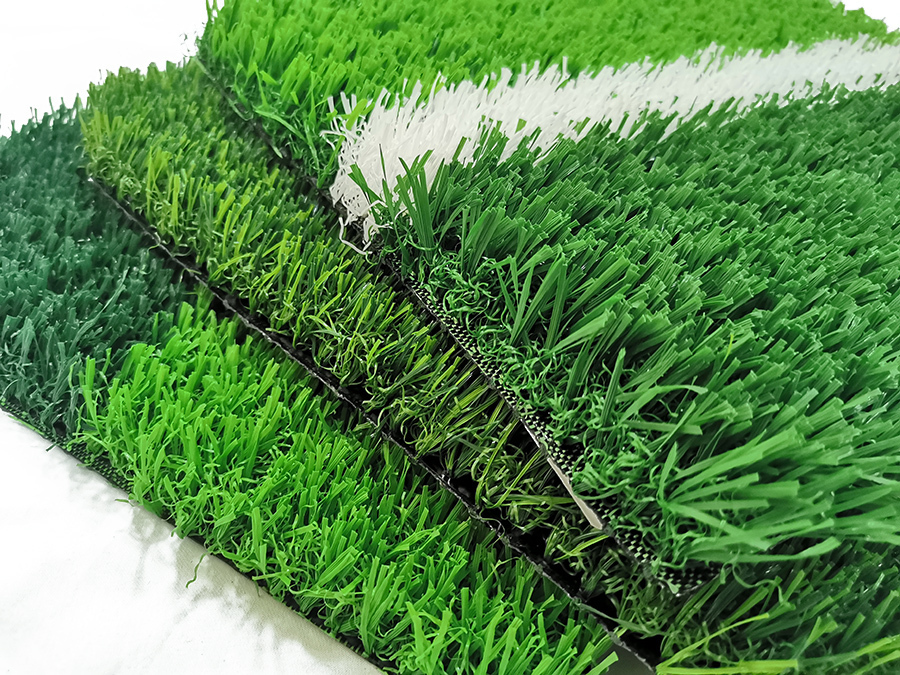
Artificial Turf for Football Fields
Artificial Turf for Football Fields
The debate about whether football teams should play on natural grass or artificial turf is a hot topic. Football field turf Some players have called for a return to the grass field, while others prefer the durability and performance of a turf surface. Regardless of your preference, the NFL does not dictate which surface teams use at their stadiums. Currently, 15 stadiums have artificial surfaces and 15 have natural or hybrid grass surfaces. The Bank of America Stadium, home to the Carolina Panthers, is one of those with a turf surface. It was changed from grass to monofilament fiber-based polyethylene in mid-2021, in part because the stadium also hosts Charlotte FC of MLS and is used for concerts like Taylor Swift and Beyonce.
Turf fields are safe, durable, and provide a comfortable playing experience for players. Football field turf In addition, they are more affordable to maintain than natural grass fields. The cost of a new or renovated turf field varies depending on the type of surface, labor costs, and additional features. A customized field with team colors, logos, and branding can add to the overall cost of the project.
Several types of synthetic turf exist, each designed to meet the needs of specific applications.Football field turf a quality synthetic turf system offers high resilience, superior durability, temperature stability, and low skin friction.
It also provides excellent traction and ball roll characteristics. The type of fibers used in a football field turf can affect the appearance and performance. Polyethylene and polypropylene are commonly used in football field turf because they offer a good balance of performance and aesthetics. The thickness and length of the fibers can also impact the look, feel, and wearability of the surface.
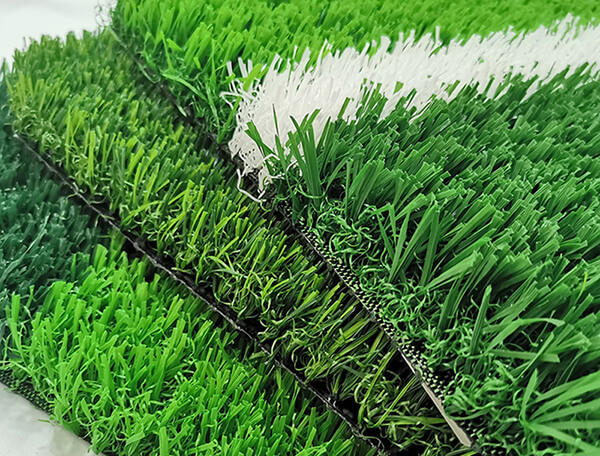
Synthetic turf for football fields is made up of three main components: the fibers, infill, and backing. The fibers are the part of the football field that acts as the blades of a real grass. They are typically made from polyethylene, polypropylene, or nylon and tufted into the backing. These fibers are then covered by a layer of infill, which helps to improve the performance and durability of the turf.
The infill can be made from a variety of materials, such as silica sand, rubber crumb, or recycled tire material. Some infills are lighter than others and can contribute to the overall weight of the turf. Some infills may also be designed to reduce the amount of radiant heat that is emitted from the field, which can cause player fatigue and discomfort. Ecofill is an infill option that is lighter than traditional black rubber granules, helps reduce radiant heat, and has lower migration to create a more consistent and stable surface.
The final component is the padding, which provides support and cushioning to prevent injury. The most common type of padding is a rubber or plastic based e-layer. This layer is placed over the infill and is secured to the foundation using stakes. It is important to select a pad that has a pore size that will not allow water or debris through, which could ruin the infill mixture and force the facility to replace it.
0users like this.