news
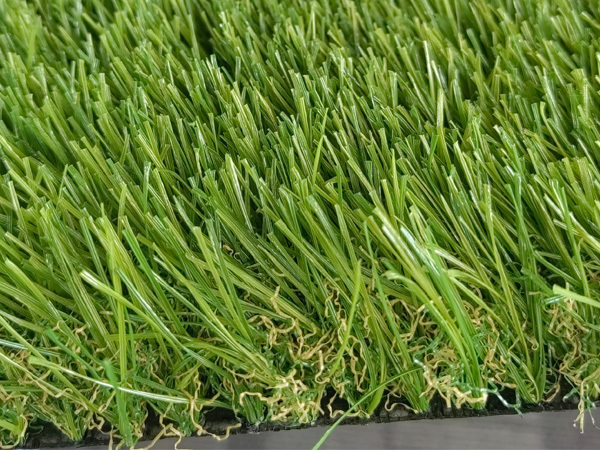
Artificial Grass Guide | Landscape & Sports Synthetic Turf
Artificial Grass Procurement Guide: How Can B2B Clients Distinguish the True Quality and Lifespan of Landscape Synthetic Grass vs. Sports Artificial Grass?
This article serves as a comprehensive artificial grass procurement guide specifically designed for B2B clients. We will delve into the core factors that affect the quality and lifespan of artificial grass, from yarn raw materials and backing technology to key parameters like density and pile height. Learn how to distinguish the true quality of landscape synthetic grass and sports artificial grass like an expert, avoid procurement pitfalls, and make the most informed investment decision for your artificial grass.
For B2B clients such as schools, real estate developers, and sports venue contractors, procuring artificial grass is a significant investment. Faced with a vast array of artificial grass products on the market, cutting through the price confusion to accurately identify true quality and expected lifespan is crucial. This guide provides a systematic, actionable method for evaluation.
The Source Matters: Yarn Raw Material is the Foundation of Artificial Grass Lifespan
The grass yarn is the "lifeline" of artificial grass. Its raw material directly determines the turf's resistance to aging, durability, and environmental friendliness.
PE (Polyethylene): The current mainstream material for high-end artificial grass. It feels soft, has excellent wear resistance, and offers the best resilience. It is widely used in sports grass (like football artificial grass, tennis grass) and high-end landscape synthetic grass. The quality difference between virgin and recycled PE is substantial.
PP (Polypropylene): Harder to the touch, slightly less wear-resistant, and can fibrillate over time, but lower in cost. Often used for landscape grass or decorative turf, not suitable for high-intensity sports artificial grass.
PA (Nylon, Polyamide): Offers superior performance, extremely strong wear resistance and resilience, but has the highest cost and a stiffer feel. Typically used for high-end golf grass putting greens.
Why is it a recurring cost?
Natural Depletion: Whether it's silica sand, SBR rubber crumb, or TPE eco-friendly granules, infill will experience loss, compaction, and migration due to long-term use, rain wash-off, and regular cleaning. Typically, 5%-10% of infill is lost annually.
Maintenance Requirements: To prevent compaction and maintain blade uprightness and system performance, regular (e.g., 1-2 times per year) loosening and topping up using specialized power-brooms and top-up machines are necessary.
Key Differentiators in Cost:
Quality vs. Inferior Landscape Synthetic Grass: High-density, high-Dtex yarns in quality landscape synthetic grass better "lock" the infill in place, reducing the rate of loss. Sparse, easily matted turf from inferior products leads to faster infill exposure and loss, significantly increasing the frequency and cost of replenishment.
Infill Material Type: Although requiring a higher initial investment, performance-stable, highly durable infill like TPE granules may have lower long-term loss rates compared to traditional SBR crumb, potentially reducing replenishment costs.
Budget Impact: You need to budget for annual infill replenishment throughout the entire service life (typically 8-10 years). This cumulative cost can be substantial.
Hidden Cost #2: Professional-Grade Deep Cleaning and Preventive Maintenance Costs
Daily brushing is basic; periodic deep cleaning and upkeep are essential investments for extending the life of your Sport artificial grass field and maintaining its appearance and safety.
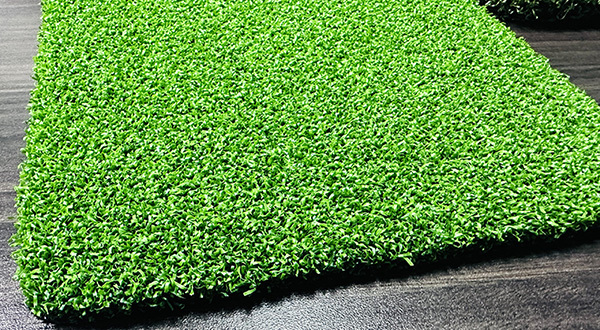
Basic Cleaning vs. Deep Maintenance:
Basic Cleaning: Surface cleaning using mechanical sweepers or blowers is relatively low-cost.
Deep Maintenance: This includes high-pressure washing (with eco-friendly cleaners) using specialized equipment to remove stubborn stains, bacteria, and algae; and comprehensive disinfection/sanitization, especially crucial for venues with high public health standards.
How are costs incurred?
Equipment Investment or Outsourced Services: The institution needs to either purchase professional cleaning/maintenance equipment or outsource this to specialized sports surface maintenance companies. The latter represents a clear annual service fee.
Frequency Dictates Cost: Higher usage frequency and more complex environments (e.g., heavy leaf fall, high dust) require more frequent deep maintenance, increasing costs. A high-quality, stain-resistant artificial grass system can reduce the frequency of deep cleaning.
Budget Impact: View deep cleaning and maintenance as essential "health insurance" that effectively avoids greater losses (like mold growth, performance degradation) caused by neglect.
Hidden Cost #3: Unforeseen Repair and Partial Replacement Costs
Even the best sports artificial grass field may require repairs due to accidental damage, base settlement, or uneven wear.
Drivers of Repair Costs:
1. Seam Issues: Poor installation or inferior backing systems can cause seams to open, requiring re-seaming by professional crews.
2. Localized Wear: High-traffic areas like goalmouths and service areas may wear out first, necessitating local cutting and patching.
3. Accidental Damage: Such as cuts from sharp objects, burns, etc., requiring localized repair.
How Quality Affects Repair Costs:
Compatibility Issues: If non-standard or discontinued inferior sports artificial grass was procured, finding perfectly matching material for future repairs may be impossible, leading to poor repair outcomes or forced larger-area replacements, skyrocketing costs.
Durability Difference: High-quality sports artificial grass, with its superior UV resistance and wear durability, significantly reduces the probability of localized wear and aging damage, thereby minimizing the frequency and scope of repairs.
Budget Impact: It is advisable to establish a contingency repair fund at the project's outset. Furthermore, choosing an artificial turf manufacturer that offers long-term warranties, stable product lines, and comprehensive after-sales technical support can greatly help manage and mitigate this risk.
Smart Procurement: How to Turn "Hidden Costs" into "Visible Value"?
1. Look Beyond Unit Price, Focus on "Cost per Use": Divide the total investment (initial cost + 10-year maintenance costs) by the estimated total number of user sessions. You will often find that the "cost per use" of quality artificial grass is much lower than that of inferior products.
2. Request a "Life-Cycle Cost Analysis" from Suppliers: Ask your artificial grass supplier or installer to provide a long-term cost simulation report based on different product options.
3. Prioritize Warranty and After-Sales Service: Choose reputable artificial grass manufacturers that not only provide product warranties but also offer maintenance guidance and even have certified repair teams. A reliable warranty is the best defense against unforeseen risks.
Procuring sports artificial grass for field is an investment decision concerning long-term value, not a one-time price game. The real secret to cost savings lies in selecting a high-quality, low-maintenance product from a professional artificial grass manufacturer, coupled with a scientific long-term maintenance plan.
0users like this.